The 10-Minute Reset: A Practical After-School Routine for Overloaded Kids
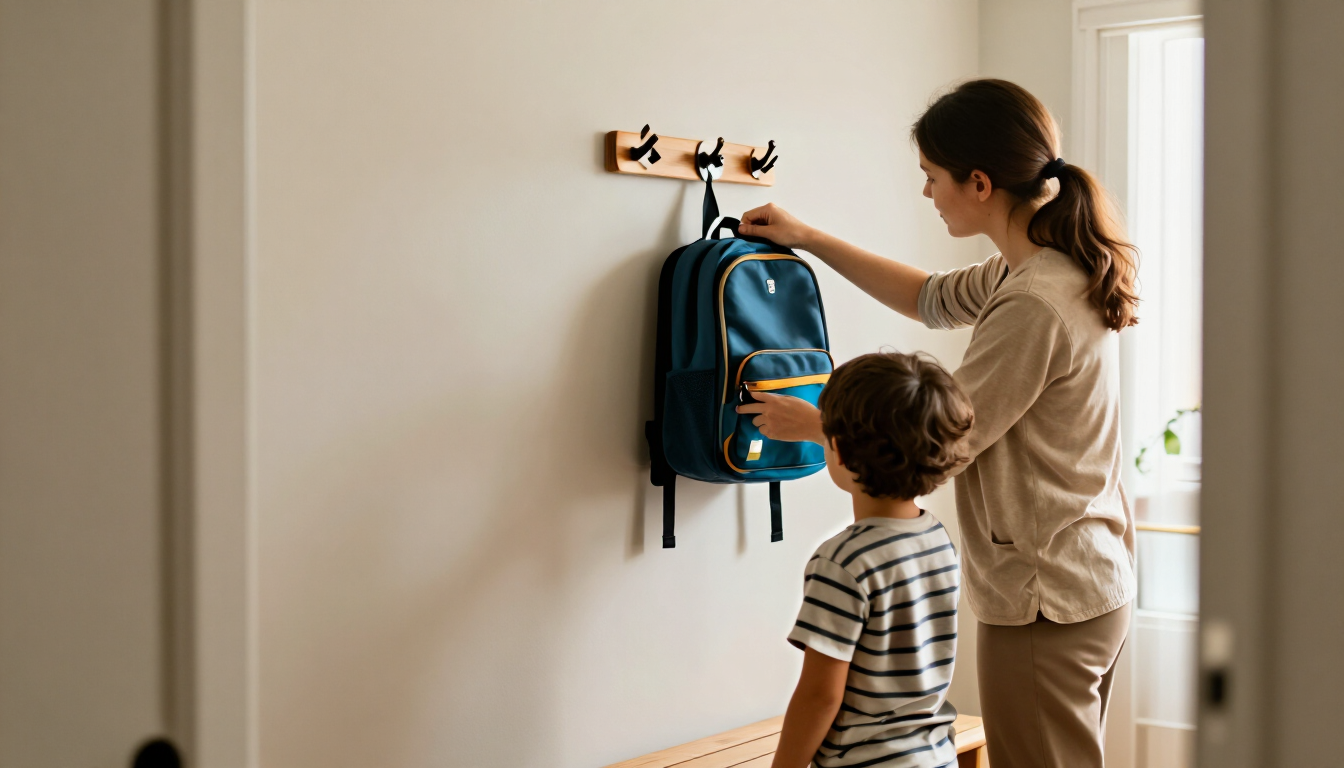
School pickup can be the moment a child’s self-control runs out—not a sign that the afternoon is doomed. A short, predictable transition routine reduces decisions and gives everyone a reliable place to start. Here is a practical ten-minute reset you can adapt to your family.
Why a short reset helps
By the time a child climbs into the car or walks through the door, they have spent hours holding it together — following rules, navigating social demands, and concentrating on tasks. It is common for self-control to run low right when you most want a calm afternoon. A short reset is not a reward for difficult behavior; it is a bridge that helps a tired child shift from school mode to home mode before the next demand arrives.
The goal is not perfection. A ten-minute routine reduces the number of decisions you and your child have to make in a low-energy moment, and it gives everyone a predictable place to start. Keep it short, keep it consistent, and adjust it to fit your child.
The reset sequence
These five steps form the backbone of the routine. You do not need to follow them rigidly — think of them as a default you can return to on any afternoon.
- Reconnect before correcting. Offer water, a snack, and one warm sentence: “I’m glad to see you.” Avoid opening with homework questions. A child who feels welcomed is more able to cooperate than one who is immediately quizzed about their day.
- Use a landing spot. Shoes, backpack, and lunchbox go to the same place every day. A picture checklist helps younger children act without repeated reminders, and it removes the “where did I put it?” search later.
- Give two choices. “Snack first or ten minutes of quiet first?” Limited choices support independence without turning the transition into a negotiation. Avoid open-ended questions like “what do you want to do?” when a child is already tired.
- Protect a short decompression window. Try reading, drawing, outside time, music, or quiet play. The goal is a nervous-system downshift, not a second school day. Ten minutes is enough for most children.
- Name the next step. Use a timer or visual cue for homework, chores, dinner, or activities. When a child knows what comes next — and when — resistance drops because the expectation is clear and bounded.
A sample 10-minute plan
Here is one realistic version. Adjust the timing to your child’s age and energy; the structure matters more than the exact minutes.
- Minutes 0–2: Greet warmly, use the bathroom, drink water.
- Minutes 2–5: Eat a snack. Keep options simple and ready ahead of time.
- Minutes 5–8: Unpack one item to the landing spot and choose quiet play or movement.
- Minutes 8–10: Preview the next commitment — homework, dinner, or an activity — and set a timer if helpful.
If the routine repeatedly fails, shorten it. A routine that fits a tired child is more useful than an ideal routine nobody can sustain. The CDC’s positive-parenting resources emphasize age-appropriate guidance and responsive interaction. Adapt the sequence to your child’s developmental level, sensory needs, any disability, and the shape of their school day.
Adapt the routine to your child’s age
The same five steps look different at every age. Match the level of support to what your child can manage independently.
- Ages 3–6: Use pictures instead of words, keep steps to three or four, and stay nearby. A simple visual chart on the wall helps them move through the routine without reminders.
- Ages 7–10: A written checklist they can complete themselves builds ownership. Let them check off each step and choose the order within limits.
- Ages 11–14: Shift toward self-management. Agree on the routine together, then step back. A shared family calendar can hold the next steps so you are not the only one tracking them.
Common mistakes to avoid
Most resets fall apart for predictable reasons. A few small adjustments usually get things back on track.
- Starting with demands. Leading with homework or chores before connection often increases resistance. Reconnect first, even briefly.
- Making the routine too long. A twenty-minute reset is harder to sustain than a ten-minute one. Keep it short enough to survive a busy day.
- Inconsistent timing. The routine works best when it happens at roughly the same time and place each day. Consistency builds the habit faster than intensity.
- Over-explaining. Tired children do not need a lecture. Keep directions short and concrete: “Shoes off, snack, then ten minutes of quiet.”
- Forgetting your own reset. If you arrive home also depleted, a brief pause for yourself — water, a few slow breaths — helps you meet the moment calmly.
Troubleshooting when the reset falls apart
My child melts down the moment we get home
This often means the transition is too abrupt. Add a few minutes of quiet connection before any task, and lower the sensory load — dimmer lights, fewer questions, a calm voice. A snack and water first can help; hunger and thirst amplify overwhelm.
The routine works some days and not others
That is normal. Treat an off day as information, not failure. If the child was up late, is getting sick, or had a hard day, shorten the routine and return to the baseline tomorrow. A resilient routine has a default you can come back to.
My child refuses to follow any of it
Resistance often signals that the child needs more autonomy. Offer two choices within the routine, and let them own one part of it — picking the snack, choosing the quiet activity, or setting the timer. If refusal is persistent and out of character, check in with their teacher or pediatrician; a routine alone cannot fix everything.
A quick checklist to keep on the fridge
Write these six prompts where everyone can see them. The chart does the reminding so you do not have to.
- Greet warmly — one kind sentence first.
- Water and a snack.
- Backpack and shoes to the landing spot.
- Two choices offered, not open-ended questions.
- Ten minutes of decompression (quiet play or movement).
- Name the next step and set a timer if helpful.
Frequently asked questions
What if we get home late and there is no time for a full reset?
Use a compressed version: a warm greeting, water, and one clear next step. Even two minutes of connection before the next demand helps. The routine is a baseline, not a contract — return to the full version when you can.
Should screens be part of the decompression window?
Screens can feel calming but may not give every child a true downshift. If you include them, keep the window short and bounded. Movement, drawing, or quiet play often help a child reset more fully. Notice what actually leaves your child calmer and adjust from there.
How long before I see a difference?
Most families notice less friction within one to two weeks of consistent use. The first few days can feel bumpy because the habit is new. Stick with the short version rather than expanding it too soon.
A gentle next step
Choose one transition to focus on this week. Write the five steps on paper, put them where everyone can see them, and try the routine for seven days before changing anything. Small, consistent adjustments compound over time.
If you want a structured place to start, the free Parent Starter Kit includes a simple printable you can adapt for your own afternoon routine, and the PastNomad™ Family Systems™ workbook offers guided worksheets for routines, weekly planning, and shared responsibilities.
Sources for editorial verification
CDC Positive Parenting Tips; Harvard Center on the Developing Child, A Guide to Executive Function.